
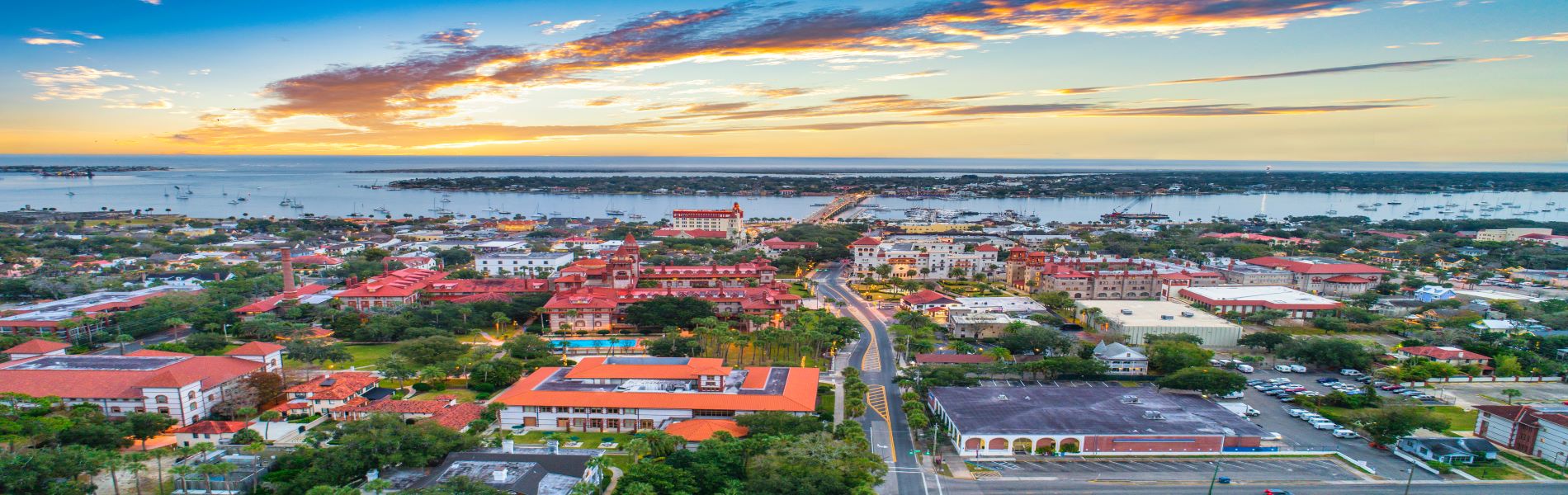
St. Augustine, Florida, the nation’s oldest city, is well-known for its diverse collection of historic landmarks and rich cultural heritage. With centuries of history woven into its streets, this city offers visitors unparalleled opportunities to visit significant sites reflecting different eras and influences.
Whether travelers seek architectural beauty, military history, or cultural insights, multiple locations await discovery. As you plan your visit, choose a high-quality St. Augustine vacation rental to enhance your trip by providing a comfortable base for adventure.
Castillo de San Marcos National Monument
One of the most defining attractions of the historic district, the Castillo de San Marcos National Monument in St. Augustine, symbolizes centuries of military strategy and architectural mastery. Built between 1672 and 1695 under Spanish rule, the fort’s coquina construction—a material made of compressed shells—proved durable against numerous assault attempts. The structure is the only remaining 17th-century military fort in North America, making it a uniquely preserved look into this era. Visitors to the Castillo can gain an in-depth understanding of its history through exhibits and ranger-led programs that delve into life within the fort during the colonial era.
Stories surrounding the battles fought here and the fort’s role in shaping St. Augustine offer a deeper insight into the significance this fort has held throughout the years. It’s easy to see why the Castillo de San Marcos is one of St. Augustine’s top historic sites, illustrating the city’s deep-rooted connections to Spanish colonization, European politics, and evolving defense architecture strategies. Its waterfront location offers breathtaking views of Matanzas Bay, making it an ideal place to enjoy a look at St. Augustine’s past as well as its beautiful presence.

Flagler College
When it comes to architectural history, Flagler College provides a stunning display of late 19th-century design. Built initially as the Ponce de Leon Hotel, this stately structure was designed by famed architects John Carrère and Thomas Hastings in 1888. Henry Flagler, the visionary behind Florida’s East Coast Railway, intended for the hotel to be a beacon of luxury with innovations such as early electrical wiring. Walking through Flagler College, you’ll get to enjoy stained glass windows crafted by Louis Comfort Tiffany and intricate terra cotta detailing, all preserved meticulously to honor its historic roots. Guided tours will highlight the opulence of Flagler’s original vision, offering glimpses into the establishment of Florida as a winter destination for wealthy northerners during the Gilded Age.
Fort Matanzas National Monument
Located on Rattlesnake Island, Fort Matanzas National Monument adds another dimension to St. Augustine’s historic sites. Built in 1742 during Spain’s reign over Florida, this minor fort was constructed to prevent enemy ships from getting to St. Augustine via the Matanzas River, a shortcut that circumvented the Castillo de San Marcos.
Fort Matanzas is an excellent complement to the military history at Castillo San Marcos. Today, exploring the site includes ferry rides across the river and guided tours, offering opportunities to learn about the fort’s purpose and construction while absorbing the natural surroundings. Fort Matanzas stands amid lush marshes and waters teeming with wildlife, creating a unique blend of natural beauty and history.
St. Augustine Lighthouse & Maritime Museum
Dominating the St. Augustine skyline, the St. Augustine Lighthouse draws attention for its structural beauty and maritime history. Built in 1874 and still operational, this lighthouse serves dual purposes as both a museum and an observation deck, offering panoramic views that stretch over land and sea. The Maritime Museum showcases shipwreck artifacts, archival documents, and archaeological findings tied to St. Augustine’s seafaring past. Exhibits focus on topics ranging from early navigation techniques to the evolution of maritime trade routes. Climbing the tower’s 219 steps rewards visitors with stunning views you won’t want to miss!
Governor’s House Cultural Center & Museum
The Governor’s House Cultural Center & Museum anchors St. Augustine’s historic district with its record of colonial governance. Serving as the official residence of Spanish governors during Florida’s colonial period, the building embodies many layers of history, reflecting the transitions from Spanish to British control and back again before ultimately falling into American hands.
The museum’s exhibits focus on the politics, economics, and daily life of those who navigated Florida during centuries of European rivalry. Artifacts, maps, and manuscripts shed light on the stories behind pivotal decisions, influencing broader developments across the state and region. Exploring this space provides a richer context for understanding St. Augustine’s historic sites and the decisions made within these walls.
Treasury Street
Treasury Street offers a look into urban planning during the city’s colonial era. Known for being the narrowest street in St. Augustine, with enough space to accommodate only pedestrian traffic or a cart, its unique design reflects the concerns colonial authorities had over shipments of gold and treasure. While modern travelers often find curiosity in Treasury Street’s dimensions, it reflects the colonial response to threats during unsettled times.
Lightner Museum
The Lightner Museum showcases a diverse collection of artistic artifacts from the Victorian Era, ranging from fine art to everyday objects. Housed within the former Alcazar Hotel, the museum encapsulates the leisure culture of the late 19th century, presenting historical relics that celebrate human creativity across the centuries. The collection features ornate furniture, glasswork, musical instruments, and curiosities, inviting visitors to explore the human innovations that have shaped St. Augustine’s cultural hub. High ceilings and elegant interiors further enhance the immersive experience, allowing guests to envision how culture evolved alongside industrial and artistic advancements. For those seeking the best things to do in St. Augustine, the Lightner Museum offers a perfect blend of history and entertainment.
Memorial Presbyterian Church
Memorial Presbyterian Church exemplifies architectural beauty in religious spaces. Designed by Henry Flagler in honor of his daughter, the church combines Venetian Renaissance influences with a distinctly American presence. Completed in 1889, its copper dome, stained glass windows, and ornate interior create an exquisite display. Historical layers tied to Flagler’s life lend the church additional significance, weaving personal losses and public accomplishments into a single narrative. As visitors step inside, they encounter a serene, grand piece of architectural and cultural history.
Plan Your St. Augustine Vacation Today
Make your trip to St. Augustine unforgettable! From historic landmarks like Castillo de San Marcos to relaxing beaches and vibrant local dining, there’s something for everyone to enjoy. Book one of the best vacation rentals St. Augustine, FL, has to offer, and start planning your perfect getaway today!
Book Your St. Augustine Rental With Saint Augustine Vacation Rentals
Exploring St. Augustine’s historic sites becomes even better when paired with comfortable accommodations that enhance every aspect of your trip. Saint Augustine Vacation Rentals provides an exceptional range of options, from quaint properties near the historic district to luxurious St. Augustine beachfront rentals with ocean views. Choosing one of our St. Augustine vacation rentals allows visitors to experience the city like a local, enjoying the convenience of proximity to landmarks while having all the comforts of a private home. Whether planning your next historical visit or unwinding after days spent exploring the many things to do in St. Augustine, our rentals are the ideal lodging to complement your stay.